
 Games


PoE 3.30 League-Start Ascendancy Tier List
category:Path Of Exile
Nov-14-2026 Source: MMOSO
Path of Exile 3.30: Covens of Umbra brings a new challenge league, major endgame changes, and several balance adjustments that affect how different Ascendancies perform. Some established league starters remain reliable, while others receive changes that make their usual builds more or less attractive.
Choosing an Ascendancy for league start is about more than damage potential. You need a build that can get through the campaign, enter early maps with affordable gear, and handle bosses without depending on expensive Unique items. Your preferred game mode also matters: a fast Trade build may not be the best choice for SSF or Hardcore.
This PoE 3.30 Ascendancy Tier List evaluates all available Ascendancies based on their expected league-start performance. Whether you want a comfortable first character, a self-sufficient SSF build, or a safer Hardcore setup, the rankings below can help you decide where to start in Covens of Umbra.
Ranking Note: This is a launch-day forecast, not a ranking based on established 3.30 player statistics. The tiers are based on GGG's official 3.30 patch notes, test-realm balance information, existing build mechanics, and previously established league-start strategies. Some builds may perform differently once more players test them in the live environment. Rankings focus on expected performance with league-start equipment rather than fully optimized endgame gear.
How We Rank the Best League Starters
A strong league starter should function before expensive equipment becomes available. Each Ascendancy is evaluated using five practical criteria:
- Campaign and Early Mapping: How smoothly can the build progress through the campaign and start clearing maps with basic equipment?
- Low-Budget Damage: Can it handle early map bosses and progression encounters without expensive upgrades?
- Defensive Reliability: Does the Ascendancy provide useful defensive layers, recovery, or other tools for safer progression?
- Gear Dependency: Does the build require specific Unique items, expensive jewels, or carefully crafted weapons before it becomes functional?
- Scaling and Flexibility: Can the build improve through accessible upgrades, and does it have alternative setups if its preferred skill becomes difficult to gear?
The rankings prioritize early progression over theoretical endgame damage. A build with excellent endgame scaling may rank lower if it struggles during leveling or needs expensive items to become effective.
Quick Picks: Which Ascendancy Should You Choose?
Not every player has the same league-start goals. These recommendations offer a starting point before you compare the full tier list.
| Player Type | Recommended Ascendancy | Why Pick It |
| Beginners | Chieftain | Straightforward progression and reliable defenses |
| SSF Players | Hierophant | Totem builds with manageable gear requirements |
| Hardcore Players | Juggernaut | Strong mitigation and dependable sustain |
| Trade Players | Pathfinder | Flexible damage options and useful flask mechanics |
These are recommendations for different playstyles, not a separate overall ranking. Your chosen skill and equipment can still make a significant difference.
PoE 3.30 Ascendancy Power Tier List
The following tiers compare the expected league-start potential of all 21 Ascendancies. Higher tiers favor builds that can progress smoothly on basic equipment, while lower tiers include more specialized choices or setups with greater gearing and mechanical demands.
S Tier — Strongest League-Start Choices
These Ascendancies offer particularly attractive combinations of damage, survivability, and accessible progression. They are strong starting points for players who want to spend less time solving gear problems and more time progressing through the Atlas.
Chieftain (Marauder)
Recommended Starter: Righteous Fire
Chieftain remains one of the most comfortable league-start choices in 3.30, particularly for players who prefer steady mapping over high-risk damage setups. Righteous Fire has a straightforward progression path and scales through life, regeneration, fire damage, and accessible defensive upgrades rather than requiring an expensive weapon.
Its main limitation is single-target damage. Early bosses can take longer to kill, and additional investment may be needed to improve bossing speed. Even so, Chieftain is an excellent option for beginners who want predictable progression from the campaign into endgame.
Hierophant (Templar)
Recommended Starters: Storm Burst Totem and other Totem Builds
Hierophant is one of the strongest options for players who value safe and self-sufficient progression. Totem setups allow you to deal damage while repositioning, making campaign bosses and early mapping more manageable. Many established totem builds can also get started without expensive Unique items.
This makes Hierophant particularly attractive for SSF. Its main trade-off is playstyle: totem builds may feel less direct than conventional self-cast or attack builds, and damage still depends on appropriate skill and passive-tree investment. For players comfortable with totems, it offers a reliable starting route.
Pathfinder (Ranger)
Recommended Starters: Toxic Rain and Caustic Arrow
Pathfinder deserves serious consideration in 3.30 following its Ascendancy changes. Master Alchemist now removes all ailments when you use a Flask, while Master Distiller provides stronger elemental penetration and additional damage options. These changes improve its flexibility for builds that benefit from frequent flask use.
Toxic Rain and Caustic Arrow are established damage-over-time options that can begin progressing without an expensive weapon. Pathfinder still needs sensible investment in life, defenses, and damage as maps become harder, but its combination of flask utility and accessible ranged builds makes it a strong Trade and SSF candidate.
A Tier — Excellent League Starters with Some Limitations
These Ascendancies have strong starting potential, but their performance depends more heavily on the selected skill, playstyle, or progression strategy.
Elementalist (Witch)
Recommended Starters: Elemental Spell and Ignite Builds
Elementalist remains a flexible choice for elemental spell builds. Its elemental damage tools provide several ways to develop a character without committing to a single expensive Unique setup. Ignite-focused builds and other elemental spell options can offer practical routes through the campaign and early maps.
However, Winter Orb is a less attractive starting point after its 3.30 nerfs. It now fires two projectiles at every gem level, has lower added-damage effectiveness, and deals less damage at higher levels. Golem-supported setups also lose some of their previous bonuses. Elementalist remains viable, but players should choose their starter skill carefully rather than relying on its previous reputation.
Occultist (Witch)
Occultist offers strong options for chaos and cold damage builds, with useful defensive and offensive tools for mapping. Its curse and explosion mechanics can provide excellent clear speed once the character has enough damage to handle packs efficiently.
The main consideration is progression. Some Occultist setups need specific Unique items, well-rolled equipment, or additional investment before reaching their full potential. It is a good option for players who already understand their chosen build, but beginners may find Chieftain or Hierophant easier to manage on a limited budget.
Necromancer (Witch)
Necromancer remains a practical choice for players who prefer minion-based damage. Minions can deal damage while you focus on positioning and survival, which makes many summoner setups comfortable during campaign progression and early mapping.
The 3.30 changes to Femurs of the Saints also provide additional options for minion scaling. However, this does not mean every Necromancer build automatically benefits from the item changes. Some minion setups still require specific support equipment, gem levels, or carefully selected minions to reach their intended damage. Choose a build with a clear low-budget progression path, especially if you plan to play SSF.
Slayer (Duelist)
Slayer is a strong candidate for players who enjoy attack-based builds and direct combat. Its leech, damage scaling, and overkill mechanics can make many melee setups effective during campaign progression and early boss encounters.
The main limitation is weapon progression. Attack builds generally become more dependent on weapon damage as enemies gain health, so poor weapon upgrades can slow down mapping and bossing. Slayer is a good choice for players who enjoy melee combat and understand how to upgrade their weapons without overspending.
Juggernaut (Marauder)
Juggernaut is a natural choice for players who prioritize survival. Its defensive mechanics provide a strong foundation for builds that need to withstand repeated hits, making it particularly attractive for Hardcore progression.
The trade-off is damage scaling. A defensive setup does not automatically kill bosses quickly, and some Juggernaut builds need more investment to reach competitive damage. Players should plan their offensive upgrades rather than putting every resource into defense. For those who value consistency over maximum clear speed, Juggernaut remains a dependable option.
Warden (Ranger)
Warden receives several useful improvements in 3.30. Barkskin gains stronger defensive benefits, Unbound Avatar has a longer base duration, and projectile speed receives an additional boost while an Active Tincture is equipped.
These changes make Warden more interesting for projectile and elemental attack builds. It is worth considering for players who enjoy ranged combat and want to take advantage of Tincture mechanics. However, a strong Ascendancy toolkit does not remove the usual gearing demands of attack builds. Weapon quality and defensive investment remain important as you move into higher-tier maps.
Trickster (Shadow)
Trickster becomes more attractive as a defensive choice in 3.30. Heartstopper now provides stronger damage-over-time mitigation during its defensive window, One Step Ahead raises its minimum action speed, and Spellbreaker provides additional spell suppression benefits while on Full Energy Shield.
These improvements help builds that rely on evasion, Energy Shield, and layered defenses. Trickster is worth considering for players who enjoy hybrid defensive setups and have a clear damage skill in mind. Its main challenge is finding a low-investment build that can match the early damage progression of more straightforward league starters.
B Tier — Solid but More Situational
These Ascendancies can complete the campaign and progress through endgame, but their league-start appeal depends more heavily on the chosen build, equipment, or player experience.
Assassin (Shadow)
Assassin offers strong critical strike and poison-related options, making it attractive for players who enjoy fast damage-focused builds. However, many attack and critical strike setups need appropriate weapon bases, accuracy, critical strike investment, or supporting Unique items before they feel comfortable.
It is better suited to experienced players who already understand their chosen skill and can plan their equipment upgrades. Beginners may find its early progression less forgiving than more defensive or self-sufficient alternatives.
Deadeye (Ranger)
Deadeye offers excellent projectile scaling and high damage potential, making it appealing for players who want fast mapping and ranged combat. Its strongest attack setups can become extremely powerful with the right weapons and supporting equipment.
The problem is that high damage potential does not always translate into a smooth low-budget start. Many Deadeye builds rely heavily on weapon upgrades and defensive investment. It is a strong option for experienced Trade players who know how to fund their progression, but less attractive for players who need a forgiving SSF or Hardcore starter.
Gladiator (Duelist)
Gladiator offers block and bleed mechanics that can support steady damage and reliable defensive setups. It is a reasonable choice for players who prefer a more controlled melee experience and want additional protection during mapping.
Its limitation is build-specific scaling. Some Gladiator setups need considerable investment in damage, weapons, or block-related equipment to compete with stronger all-round starters. It is playable and can be effective, but its overall appeal depends on the skill you choose.
Guardian (Templar)
Guardian is particularly interesting for minion-focused and aura-supported builds. Its defensive utility can help both the character and supported allies, making it attractive for players who enjoy party play or specialized minion setups.
For solo league start, however, its performance depends heavily on the chosen minion or support configuration. Players looking for straightforward personal damage may find other Templar options easier to develop.
Inquisitor (Templar)
Inquisitor remains a practical option for elemental spell and critical strike builds. Its damage tools and resistance penetration can help spells scale without relying entirely on expensive equipment.
Its main limitation is that it does not automatically solve every defensive or gearing problem. A successful Inquisitor starter still needs an appropriate skill, enough life or Energy Shield, and reliable resistance management. It is a reasonable all-round option, but not an automatic top-tier pick for every spell build.
Berserker (Marauder)
Berserker is built around aggressive damage output and suits players who prefer fast, high-pressure combat. It can make melee and attack-focused builds feel powerful, especially once the character has enough damage to clear enemies quickly.
The downside is defensive management. Berserker players need to pay more attention to incoming damage, recovery, and positioning than they would with a more defensive Ascendancy. It is better suited to experienced Softcore players who understand its risks than to beginners looking for a forgiving Hardcore starter.
Champion (Duelist)
Champion provides useful defensive tools and can support several attack-based builds. Its Fortification-related mechanics make it appealing for players who want to combine damage with additional protection.
However, its strongest league-start options are more dependent on the chosen skill and equipment than those of the top-tier choices. Champion remains playable, but players should select a build with a proven leveling and early mapping progression plan rather than choosing it solely for its defensive reputation.
Saboteur (Shadow)
Saboteur remains a functional choice for mine and trap builds. Its mechanics support specialized setups that can deliver strong damage when properly developed.
The main drawback is mechanical overhead. Mine and trap playstyles require more attention to skill placement, timing, and setup than many conventional attack or spell builds. Players who already enjoy these mechanics can make Saboteur work, but it is not the easiest recommendation for someone looking for a simple first character.
C Tier — Specialized or Higher-Investment Choices
These Ascendancies offer interesting mechanics and can support powerful characters, but their starting potential is less straightforward. They are better suited to players who already have a specific build concept rather than those looking for a broadly reliable league starter.
Ascendant (Scion)
Ascendant provides flexibility through its ability to combine selected benefits from other Ascendancies. This opens up unusual build combinations and gives experienced players more freedom when planning their passive tree.
The trade-off is that borrowed Ascendancy benefits are generally less specialized than the original versions. Ascendant can be rewarding when a build specifically needs its combination of mechanics, but that flexibility does not automatically translate into stronger early progression. It is better for players who already have a clear build plan.
D Tier — Niche Picks with Greater League-Start Risks
These Ascendancies are not necessarily weak in endgame. They simply have fewer straightforward reasons to recommend them as default low-budget starters in 3.30.
Luminary (Scion)
Luminary's appeal comes from its Link Skill interactions and Mercenary-focused setups. However, 3.30 makes this approach more demanding. Golden Glory now applies only 50% of Light Radius increases and reductions to the effect of Link Skill buffs on your Mercenary, down from 100%.
Hired Mercenaries also receive lower high-level attack damage and damage-reduction scaling, alongside substantial resistance penalties in higher-level areas. These changes make Mercenary-dependent setups harder to maintain. Luminary may still offer interesting specialized combinations, but it is difficult to recommend as a straightforward league starter without a clear alternative progression plan.
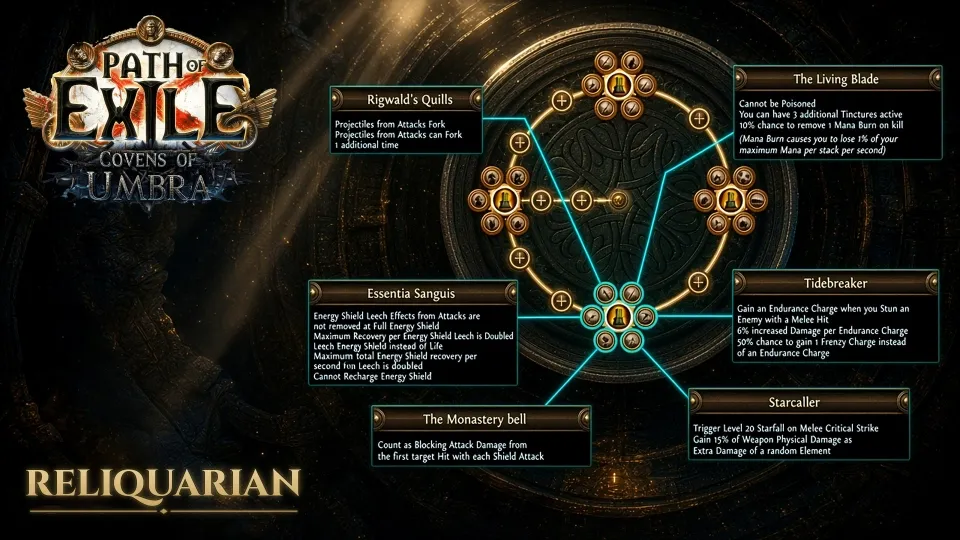
Reliquarian (Scion)
Reliquarian receives a reshuffling of its Unique-related Notables in 3.30, creating different possibilities for builds that rely on specific Unique item effects.
The problem for league starters is planning and availability. A build built around particular Unique interactions may need several pieces of equipment before its intended mechanics come together. This creates more uncertainty than a conventional starter that works with ordinary rare gear. Reliquarian is worth exploring for players who enjoy experimenting with Unique combinations, but it is not a safe default choice for a fresh league character.
Best Ascendancies for Trade, SSF, and Hardcore
The overall tier list is useful, but your game mode can change which Ascendancy makes the most sense. A build that performs well with access to the Trade Market may be much harder to assemble in SSF.
Softcore Trade
Trade players can purchase missing equipment and upgrade key slots as currency becomes available. Pathfinder, Elementalist, and Deadeye are worth considering depending on whether you prefer damage-over-time, elemental spells, or projectile attacks.
Chieftain is also a strong choice if you want a more predictable progression path without needing to buy expensive gear early.
Solo Self-Found (SSF)
SSF rewards builds that can function with self-found equipment. Hierophant is a strong recommendation because many totem setups can progress without specific Unique items. Chieftain and Pathfinder are also attractive options thanks to their established damage routes and useful defensive or flask mechanics.
Be careful with builds that depend on rare Unique items, specific jewels, or high-quality weapons. Even a powerful build can become frustrating if its core equipment does not drop.
Hardcore
Hardcore players should prioritize survival over peak damage or clear speed. Juggernaut is a natural starting point because of its defensive focus and sustain. Chieftain and Hierophant are also worth considering for players who want a balance between damage and survivability.
Regardless of your Ascendancy, invest in life or Energy Shield, elemental resistances, recovery, and reliable defensive layers. A high-damage build is not a good Hardcore starter if one mistake can end the character.
Preparing Your Gear for PoE 3.30
A good league starter should work with basic rare equipment, but the right upgrades can make campaign progression and early mapping much smoother. Before committing to a build, identify which items are essential and which can wait until you have more currency.
Focus on the upgrades that directly support your chosen setup:
- Weapons: Attack builds need regular weapon upgrades, while spell builds should prioritize relevant spell damage and gem-level bonuses.
- Defensive Gear: Keep life or Energy Shield, elemental resistances, and other required defensive stats in line with the content you are facing.
- Jewellery: Rings and amulets can help fill resistance gaps, improve attributes, and provide additional damage.
- Build-Specific Uniques: Check whether your chosen build needs a particular Unique to function or whether it is simply a later upgrade.
- PoE Currency: Keep enough currency available for crafting, trading, and replacing equipment as you progress.
If you prefer to trade for upgrades instead of farming every item yourself, explore our PoE Currency selection to support your early mapping and gear progression.
Important PoE 3.30 Changes for League Starters
Ascendancy balance is only one part of the new league. Covens of Umbra also changes how players approach early endgame progression and acquire resources.
Threads Replace Scarabs
Scarabs have been removed and replaced by Threads. You can use Threads in the Map Device to add their associated league mechanics to an area. This changes how players target specific farming strategies instead of relying on the previous random league-mechanic spawn system.
For league starters, this makes early Atlas planning more important. Consider which mechanics provide the resources your build needs rather than investing in every available farming option.
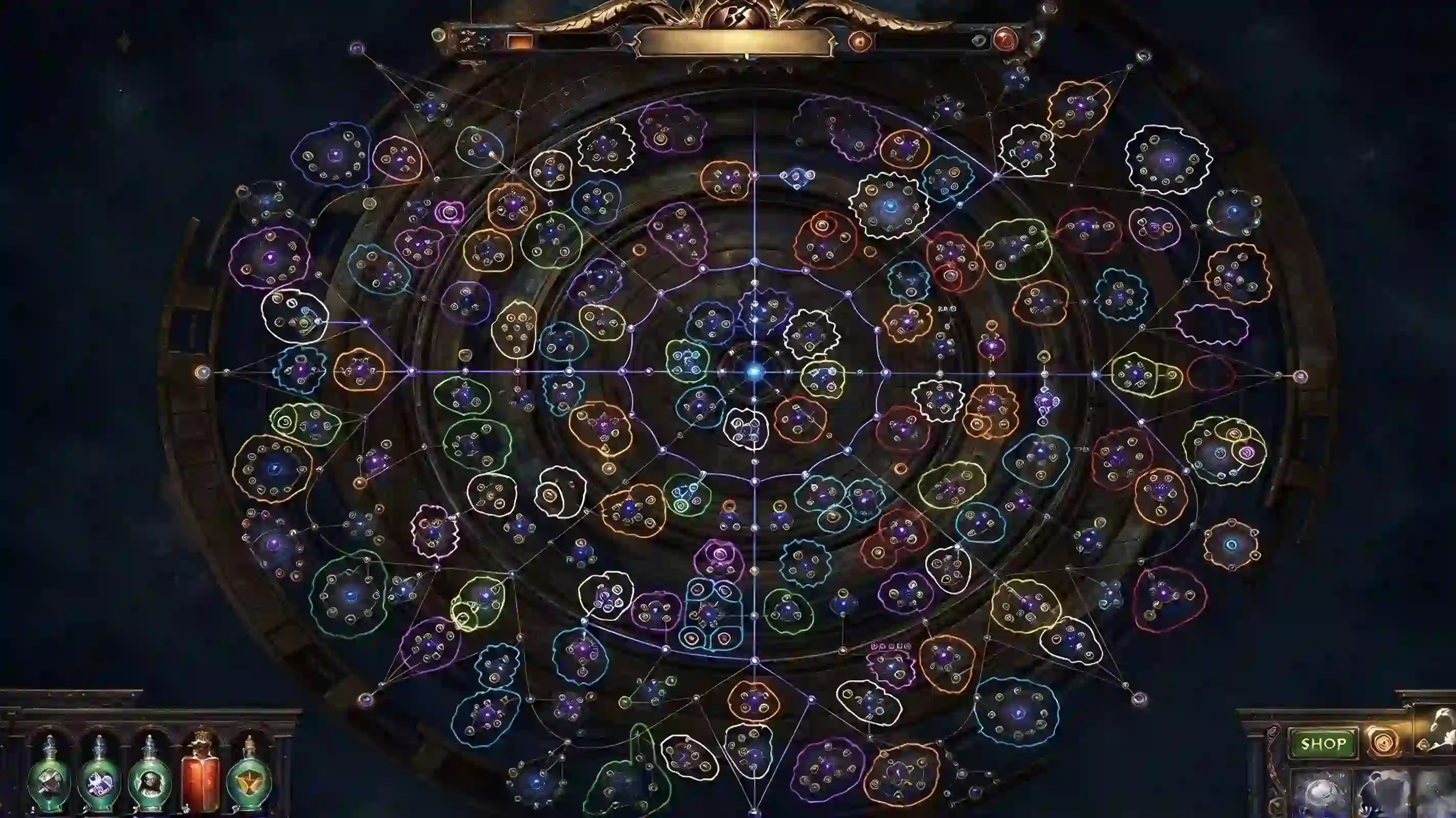
The Atlas Passive Tree Has Been Reworked
The Atlas Passive Tree has been rebuilt, with players starting near the center and expanding outward. The total number of available Atlas Passive Skill Points has also increased to 150.
Several old Scarab-related bonuses have been moved into the Atlas tree, while many league-mechanic clusters have been adjusted. Your early Atlas choices can therefore influence how quickly you generate currency and acquire upgrade materials.
Mirage Is Now Part of the Core Game
Mirage has joined the core game and can now appear in map areas. This adds another endgame activity to consider as you progress through the Atlas.
However, not every league starter needs to build around the new mechanic. Focus on establishing reliable damage and defenses first, then decide whether Mirage fits your farming strategy.
For a closer look at these changes, read our PoE 3.30 Threads and Atlas Changes Guide.
PoE 3.30 League-Start FAQ
What is the best Ascendancy for PoE 3.30 league start?
Chieftain, Hierophant, and Pathfinder are among the strongest overall starting options. Chieftain offers straightforward progression, Hierophant supports self-sufficient totem builds, and Pathfinder provides flexible flask mechanics and established damage-over-time options. The best choice depends on your preferred skill and playstyle.
Which Ascendancy is best for SSF in PoE 3.30?
Hierophant is a strong SSF choice because many totem builds can progress without expensive Unique items. Chieftain and Pathfinder are also worth considering if you prefer a more direct damage setup with accessible equipment requirements.
What is the safest Ascendancy for Hardcore in PoE 3.30?
Juggernaut is one of the most natural Hardcore choices because of its defensive mechanics and sustain. Chieftain and Hierophant are also good alternatives, provided you choose a build with enough damage and reliable defensive layers.
Should I choose an Ascendancy based on its endgame damage?
Not necessarily. A build can have excellent endgame damage but still be a poor league starter if it requires expensive equipment or struggles during the campaign and early mapping. Prioritize low-budget performance, defensive reliability, and a clear upgrade path before considering its maximum damage potential.
Recommended news
-
PoE 3.30 Righteous Fire Chieftain Guide: RF Activation, Gear & Bossing
Nov-13-2026 -

Path of Exile 3.30 Mercenaries of Trarthus Guide: Rewards and Farming Tips
Nov-13-2026 -
PoE 3.30 Reliquarian: League Start to Endgame and the Uniques to Prepare
Nov-12-2026 -
PoE 3.30 Covens of Umbra Guide: League Mechanics & Tips
Nov-09-2026 -
PoE 3.30: How Threads of Creation Change Atlas Farming
Nov-09-2026 -

PoE 3.29 League End: Challenges, Rewards and What to Do Before 3.30
Oct-17-2026


Thank you for using this website through social login. In order to better use the functions of mmoso, please add your email address first. If you have questions, please consult our customer service.


